
Finding the right Mastercard Foundation scholarship universities is the first step toward turning a big education dream into a funded plan. This guide shows 18 of the program’s partner universities across Africa and abroad, so the path from where you are to where you want to study finally feels clear.
Quick-Facts Box
Before You Apply: What to Know
●You must apply directly through the partner university you want to attend, and each one has its own application process, deadlines, and fees.
●The program works with 62 global partners and offers scholarships at the secondary, undergraduate, and master’s levels, but not for PhD candidates.
●Support includes tuition, accommodation, books and academic materials, mentoring, counselling, leadership development, and a return air ticket where needed, and the list isn’t limited to those.
●Admission to a partner university doesn’t guarantee selection, because the program is highly competitive.
Scam alert: The Foundation has warned that some Facebook posts advertising recruitment under the program are not associated with it. Never pay anyone who promises you a place.
Last verified: October 2026. This list covers 18 of 62 partners. See the official Mastercard Foundation page for the full list. We are not affiliated with the Mastercard Foundation.
1. Ashesi University, Ghana
Ashesi is a small liberal arts university in Berekuso, a hilltop town near Accra, known for pairing business, engineering, and computer science with ethics and leadership training. Its close-knit campus suits students who want mentoring and plenty of project work. Applications go through Ashesi’s own scholars page, which sets the deadlines, fees, and requirements.

2. Kwame Nkrumah University of Science and Technology (KNUST), Ghana
KNUST, in Kumasi, is one of West Africa’s best-known science and technology universities, with strong engineering, architecture, and agriculture programs. Kumasi is the cultural heart of Ghana’s Ashanti Region, with famous markets and food. Check KNUST’s scholars page for the programs and levels it currently supports.

3. Makerere University, Uganda
Makerere, in Kampala, was founded in 1922 and is among Africa’s oldest universities, well regarded for medicine, public health, and agriculture. The capital puts you in the middle of East Africa’s busy creative and tech scene. Scholarship applications run through the university’s own program office, with its own timelines and fees.

4. University of Cape Town, South Africa
UCT sits on the slopes of Table Mountain and is frequently ranked among Africa’s top universities. Students get mountain and ocean views, with strong health sciences, engineering, and humanities programs. As with every partner, check UCT’s own scholarship pages for current levels, deadlines, and fees.

5. University of Pretoria, South Africa
The University of Pretoria is one of South Africa’s largest research universities, in the jacaranda-lined city of Pretoria. It’s known for veterinary science, engineering, and law. Confirm the current scholarship levels and application dates on the university’s own page.

6. University of Gondar, Ethiopia
The University of Gondar is in northern Ethiopia and is best known for medicine and health sciences. The city around it is famous for its 17th-century royal castles, which makes student life feel rooted in history. Check the university’s own page for which programs and levels its scholars currently cover.

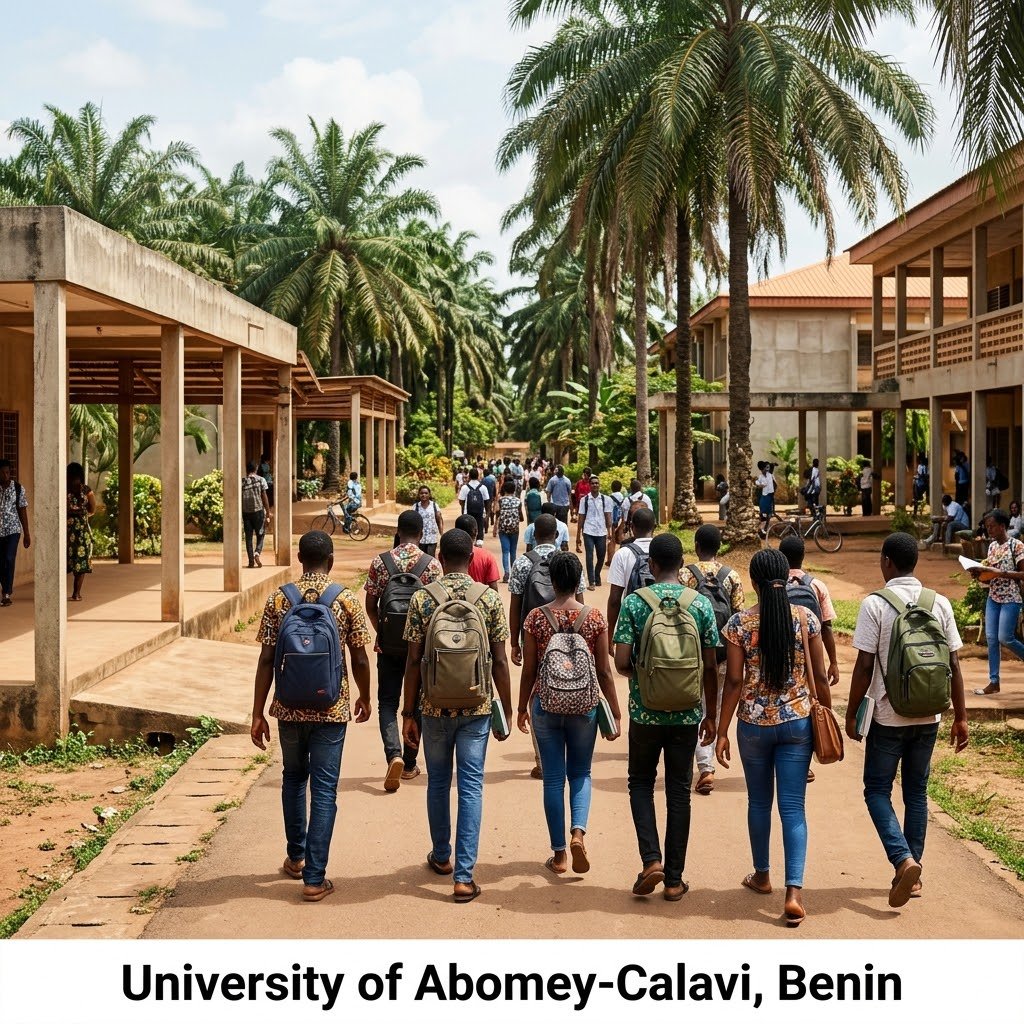
7. University of Abomey-Calavi, Benin
Abomey-Calavi is Benin’s largest public university, close to the coastal city of Cotonou. Courses are taught mainly in French, so it suits students who are comfortable studying in that language. Admission steps and scholarship rules are set by the university, so read them there before you plan.
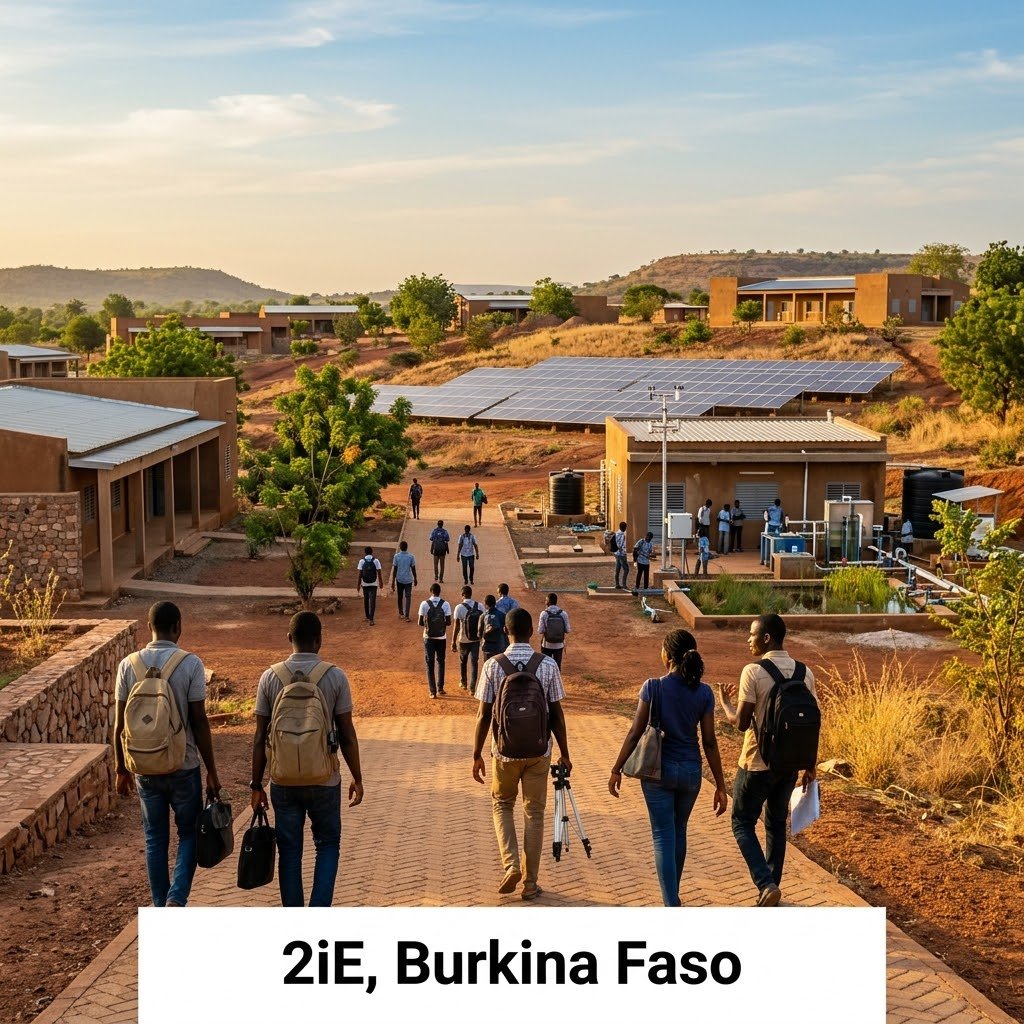
8. 2iE, Burkina Faso
2iE, the International Institute for Water and Environmental Engineering, focuses on water, energy, environment, and infrastructure engineering. It is based in Ouagadougou and teaches mainly in French. Check current travel advice for Burkina Faso, then confirm the scholarship details on the institute’s own page.
9. USIU-Africa, Kenya
USIU-Africa is a private university in Nairobi with a diverse, international student body. It is known for business, communication, and technology programs in one of East Africa’s busiest cities. Application dates and fees come from the university itself, so confirm them there.

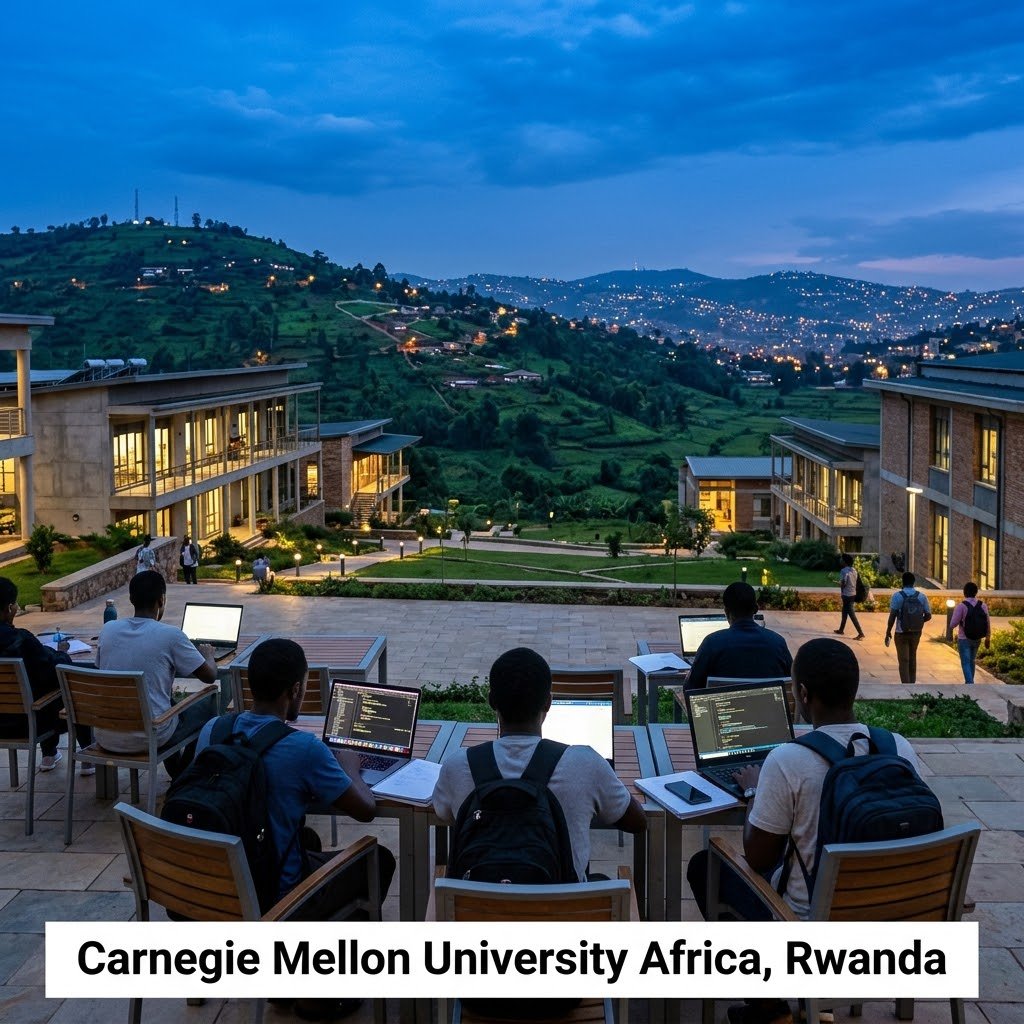
10. Carnegie Mellon University Africa, Rwanda
In Kigali, Carnegie Mellon’s African campus offers graduate-level programs in engineering and information technology. It belongs to a university that is renowned as one of the world’s leading engineering institutions. Because it is graduate-focused, check the entry requirements carefully before applying.
11. African Leadership University
African Leadership University is a pan-African institution with campuses including Rwanda and Mauritius. It emphasizes entrepreneurship, leadership, and project-based learning over lectures alone. Its own admissions pages explain which campus and degree each scholarship covers.

12. University of the Western Cape, South Africa
The University of Western Cape in Cape Town has a long record of opening higher education to students from varied backgrounds. The Foundation says the Scholars Program expanded to this university in July 2023, so it is a newer partner. Check its official page for the current intake and eligible programs.

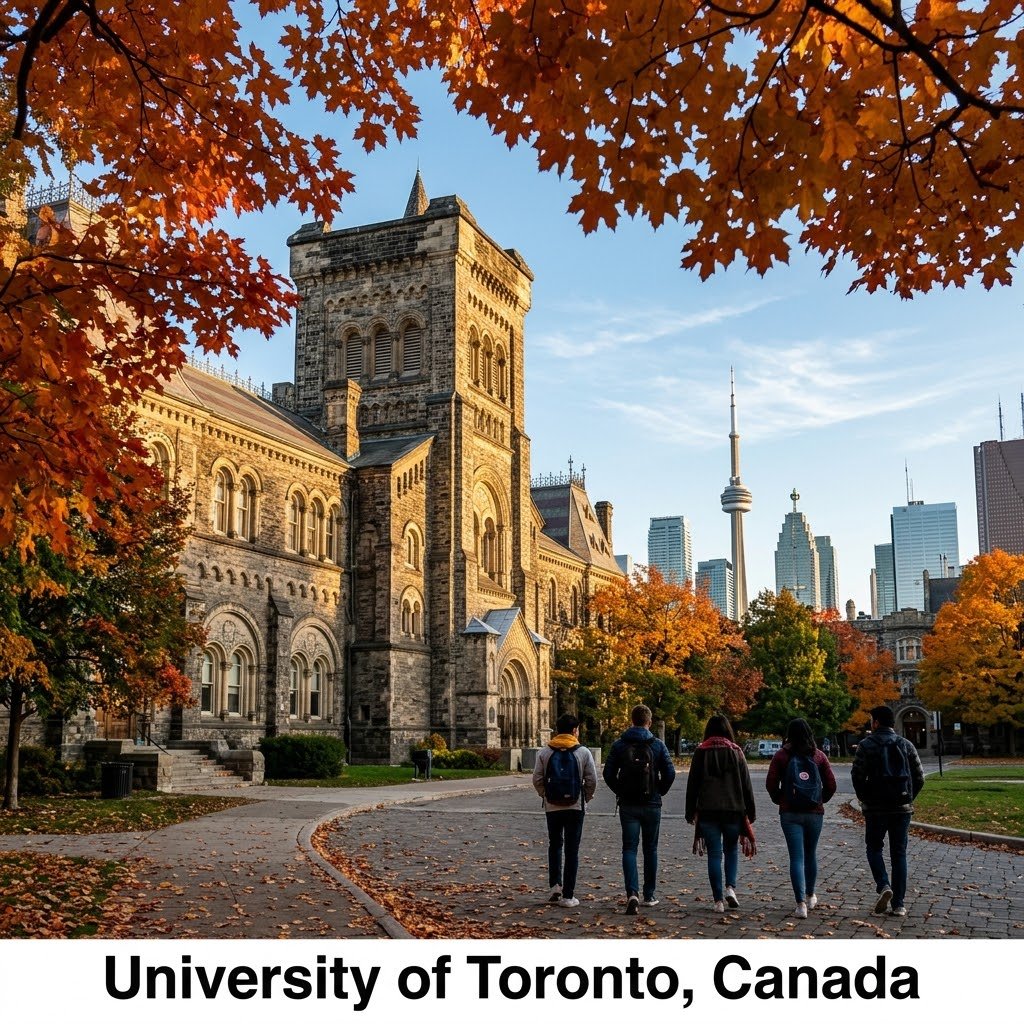
13. University of Toronto, Canada
The University of Toronto is Canada’s largest research university, with its main campus in the middle of the city. North American partners ask international applicants for extra paperwork, and the Foundation notes that these universities require TOEFL or SAT scores. To plan your budget, our Currency & Living Cost Estimator shows Toronto costs in your own currency, and our guide to [25 Cozy Student Apartment Ideas in Toronto] helps you picture home.
14. McGill University, Canada
McGill is an English-language university in Montreal, a French-speaking city with bilingual street life and long, snowy winters. Students who plan ahead for the cold settle in more comfortably, and our guide to [21 Winter Outfit Ideas for Students in Canada] covers what to wear. Confirm the scholarship’s current rules and dates on McGill’s own page.

15. University of British Columbia, Canada
UBC’s main campus sits on a forested peninsula in Vancouver, with ocean and mountain views. Winters there are much milder and wetter than in Toronto or Montreal, which suits students who dislike deep cold. As with every partner, its own page has the real deadlines and requirements.

16. University of Edinburgh, UK
Edinburgh was founded in 1583 and sits in the historic center of Scotland’s capital, below the castle. Its compact, walkable setting and international community appeal to many students from abroad. Check the university’s own scholars page for the levels and programs it offers.

17. Sciences Po, France
Sciences Po is an international research university based in Paris. It is best known for political science, international affairs, and the social sciences, in the Saint-Germain district. Language requirements and application steps are on its own pages, so read them first.

18. Arizona State University, USA
Arizona State University is a very large public research university in Tempe, with a hot desert climate that contrasts sharply with northern winters. It is often noted for its focus on innovation and offers a wide range of programs. As with other North American partners, expect test and paperwork requirements, and confirm them on the university’s page.

Your Application Roadmap
1. Choose your partner university.
Pick the school and study level that match your goals. North American partners require TOEFL or SAT scores from international applicants, while some Africa-based partners do not, so this choice shapes your budget and preparation time.
2. Read the university’s official page.
Note the deadline, fees, eligible programs, and entry requirements from the source. Blogs and social posts often show outdated dates.
3. Prepare your documents early.
Gather your transcripts, reference letters, and ID, and draft an essay showing leadership and commitment to your community. Start weeks before the deadline, since good references take time.
4. Apply directly on the university’s portal.
Use only the official application link, keep proof of everything you submit, and save confirmation emails.
5. Track your status with the university.
Each partner manages its own decisions, so any news about your application comes from the university, not the Foundation
Frequently Asked Questions
■Can I apply to more than one partner university?
Yes. Each partner runs its own process, so you can apply to as many as you like. Each application takes effort and may carry a fee, so choose carefully.
■Does getting admitted mean I get the scholarship?
No. Admission and scholarship selection are separate, and the program is highly competitive.
■Do I have to pay an application fee?
Each partner sets its own fees, and for institutions that charge one, it is reimbursed if you are selected as a Scholar.
■Who can apply?
The program is built around talented, service-minded young people, with a focus on developing Africa’s next generation of leaders, and eligible majors and degrees vary by partner. Always check the university’s own eligibility rules.
■Can I get the scholarship at a university that isn’t a partner?
No. The scholarships are only offered through individual partner institutions and organizations.



Pingback: How to Write a Scholarship Essay That Stands Out (With a Simple Outline) - BrainFueler
Pingback: 20 Low-Maintenance Campus Haircuts for Guys That Look Sharp on a Budget. - BrainFueler